
E-Waste Recycling Benefits: Protect Planet & Boost Economy
// Take Action to Reduce Your E-Waste Impact on the Environment
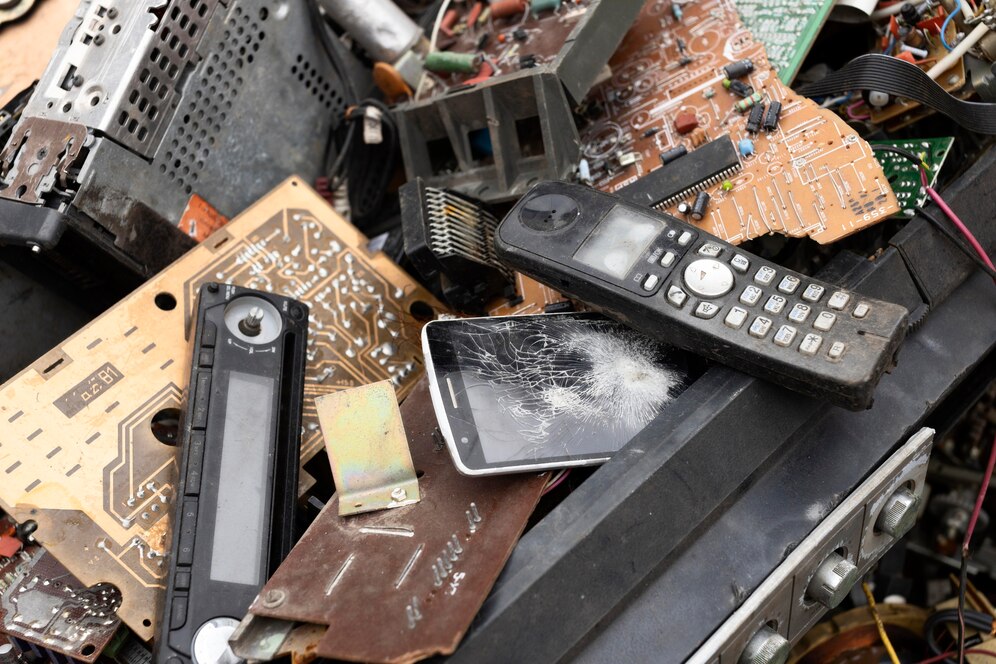
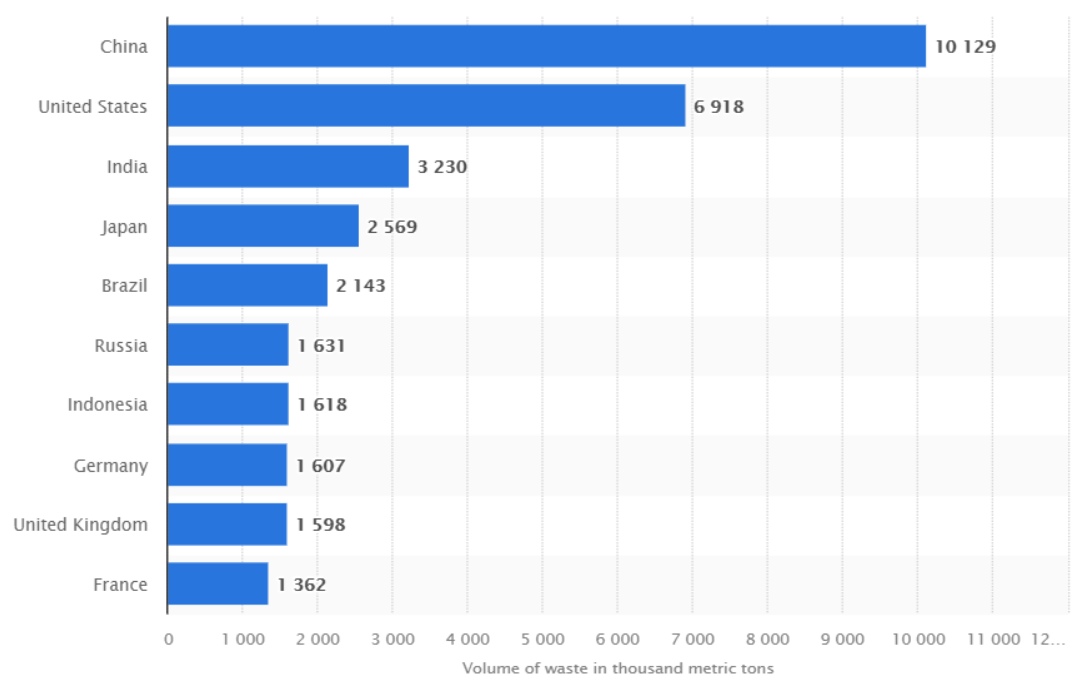
We rely on electronic devices in our daily lives, but their production and disposal have a significant impact on the environment. The constant development of new technology leads to a growing amount of e-waste, with 6.9 million tons generated in the US each year, according to a report by Statista. By recycling e-waste, we can conserve valuable resources and energy, reduce the amount of waste in landfills, and protect our environment for future generations.
Recycling electronic garbage has become necessary in order to conserve energy, resources, and landfill space. To better understand the positive impact of recycling e-waste, consider the six advantages listed below.
Advantages of E-Waste Recycling
1. Preserve Landfill Space
Electronic garbage is being disposed of in landfills at an increasing rate. This issue is not only common in the United States, but it is rapidly expanding throughout the world. Throwing e-waste into landfills causes a slew of environmental problems.
Metals used in electronic devices, such as iron, aluminium, and gold, degrade and emit toxic poisons into the soil. Similarly, the plastic in these devices can leach toxic poisons into the earth. Toxins in this filthy soil kill all plants and micro-organisms that live there.
It devastates their ecosystems and harms environmental health. The toxin spreads in the soil and finally leaks into water tables in the worst-case scenario. When e-waste is recycled, the components of electronic devices are separated and sorted rather than disposed of in a landfill. Experts determine whether or not they are reusable.
Non-recyclable components are appropriately disposed of, reducing their environmental impact, and recoverable e-waste components are utilized to produce new goods.
Keeping e-waste out of landfills not only saves space, but it also means fewer microbes and plants are disturbed.
2. Protect Natural Resources
According to recent surveys, 98% of electronic device components are recyclable. Extracting metal ores from the earth requires a great deal of energy and resources. After mining, the cost of refining metals and converting them into useful forms is also high. The extraction and reuse of metal from outdated electronic devices greatly reduce the requirement to mine and refine raw metals.
Wires and other electronic device components consisting of aluminium and copper can be reused several times over. By reusing them in other electronic devices, little to no material is wasted. As a result, the resources necessary to mine, extract, and manufacture additional metal decreases considerably.
Many components of electronic devices are composed of glass. The screens of many PCs, laptops, televisions, smartphones, and other electronic devices are composed of high-quality glass.
It takes a lot of energy to make glass from scratch. Glass from old gadgets is reused by manufacturers so that it does not go to waste. This also saves time and money on the production of new glass.
3. Expand Employment Opportunities
Only specially trained professionals can properly dispose of electronic garbage. Distinguishing between reusable and non-reusable materials demands a keen eye and extensive product knowledge. There are numerous work opportunities in the recycling industry requiring professional degrees specializing in electronic waste reclamation.
Increased education about electronics recycling leads to more recycling and employment creation. Thousands are employed as a result of e-waste recycling. More jobs mean greater financial security for our communities.
4. Improve Product Affordability
On many occasions, people wish to get rid of an electronic gadget because they want to replace it with one that has the most up-to-date technology. They can easily purchase new electronic equipment if they donate their old gadgets to charity or sell them in a secondhand store.
Remember that while you may no longer need a used electronic device, it may change someone else’s life! Recycling e-waste gives those without access to such devices more chances to utilize and own them.
Many schools in the United States accept discarded electronic gadgets and use them to educate their students. Hundreds of NGOs exist throughout the United States that collect e-waste and distribute it to various regions of the world for reuse and training.
5. Reliable Data Erasure
In every country around the globe, protecting data is becoming a more pressing concern. Most of the time, when someone deletes a file from their computer, they assume that the file is gone forever. This isn’t always the case, though. It takes specialized software and the right approach to permanently delete data from a mobile device and computer.
Prior to disposing of the electronic item, it is imperative that the necessary data be removed. Depending on local and industry regulations, legal repercussions are a possibility for those who violate data security or recycling legislation.
The right e-waste recycling procedures must be used to properly reuse or discard electronic devices. Customers’ data is erased permanently and securely with a 100% success rate.
6. Protect the Environment
Our planet provides us with an abundance of resources, but it’s important to use them responsibly to protect its delicate ecosystems. ITAdOn encourages you to properly sort your waste and play a role in reducing greenhouse gas emissions and plastics in our oceans.
This will help create a healthier environment for marine life and reduce the risk of cancer caused by e-waste chemicals. We all have a part to play in preserving our planet’s ecosystems and promoting sustainability.
Conclusion
Environmentalists continually warn us about the necessity of recycling e-waste and the consequences our children and grandchildren may experience if we decide not to act. There are many advantages to recycling electronic waste, but the most significant benefit is preventing more environmental destruction.
Every person making it a practice to recycle their e-waste will reap a significant impact over time. Regardless of how insignificant your effort may seem, recycling e-waste should be viewed as a need. ITAdOn is here to help.


9 Responses
As cloud computing becomes the default solution for modern enterprises seeking scalable, cost-effective data management, how can organizations ensure that their reliance on cloud platforms doesn’t inadvertently erode strategic autonomy—particularly when critical data, analytics, and operational workflows become deeply embedded in proprietary ecosystems—thus transforming what appears to be a flexible technical choice into a long-term structural dependency that may constrain innovation, negotiation power, and resilience in an increasingly contested digital economy?
Organizations can prevent cloud dependence from becoming a strategic constraint by actively managing vendor lock in risks and designing their cloud strategy for flexibility from the start.
This includes prioritizing open standards, portable architectures and multi-cloud or hybrid strategies, so applications and data can move across platforms when needed. Companies should also avoid excessive reliance on proprietary APIs, tools and data formats, which often make migration costly, complex and can tie operations tightly to a single provider’s ecosystem.
Additionally, negotiating data portability clauses, clear SLAs and exit strategies in cloud contracts helps preserve bargaining power and operational independence. Without these safeguards, deep integration with a single cloud provider can limit flexibility, weaken negotiation leverage and restrict innovation over time.
In short, organizations maintain strategic autonomy by treating cloud adoption not just as a technical decision, but as a long term governance and architecture strategy that balances scalability with platform independence.
Thanks for sharing. I read many of your blog posts, cool, your blog is very good.
“How do IaaS, PaaS, and SaaS models help businesses scale and manage data more cost-effectively than physical servers?”
IaaS, PaaS, and SaaS help businesses scale and manage data more cost-effectively by eliminating the need to buy, maintain, and upgrade physical servers.
With Infrastructure as a Service (IaaS), businesses pay only for the computing resources they use, allowing them to scale storage and processing power up or down as demand changes. Platform as a Service (PaaS) reduces costs further by removing the burden of managing operating systems, databases, and development tools, enabling teams to focus on building and improving applications faster. Software as a Service (SaaS) offers the greatest simplicity, providing fully managed applications with predictable subscription pricing and built-in security, backups, and updates.
Together, these cloud models improve flexibility, reduce capital expenses, enhance reliability, and make it easier for businesses to grow without the limitations and overhead of physical server infrastructure.
Thank you for your sharing. I am worried that I lack creative ideas. It is your article that makes me full of hope. Thank you. But, I have a question, can you help me?
Thank you for your thoughtful feedback! I’m really glad the article inspired you.
Creativity isn’t something we’re born with — it develops through practice and exposure to new ideas. You’re already on the right track by exploring and asking questions.
Please feel free to share your question — I’ll do my best to help.
Can you be more specific about the content of your article? After reading it, I still have some doubts. Hope you can help me.
Thank you for reading my article and for your thoughtful question! I’m glad you reached out — I’d be happy to clarify the points that weren’t clear.
To give you a more specific overview, the article covers the following:
What Cloud Computing Is
A clear definition of cloud computing and how it differs from traditional IT infrastructure.
Key Cloud Service Models
An explanation of IaaS, PaaS, and SaaS, with simple examples of each.
Benefits for Modern Businesses
How cloud computing helps companies improve scalability, reduce costs, enhance security, and support remote work.
Real-World Use Cases
Practical examples of how businesses use cloud services in different industries.
Challenges and Considerations
A balanced look at common concerns (e.g., data privacy, migration challenges) and how to address them.
If you could let me know which specific parts were unclear or which doubts you have, I can explain those in more detail or provide examples that would help.
Looking forward to your questions!